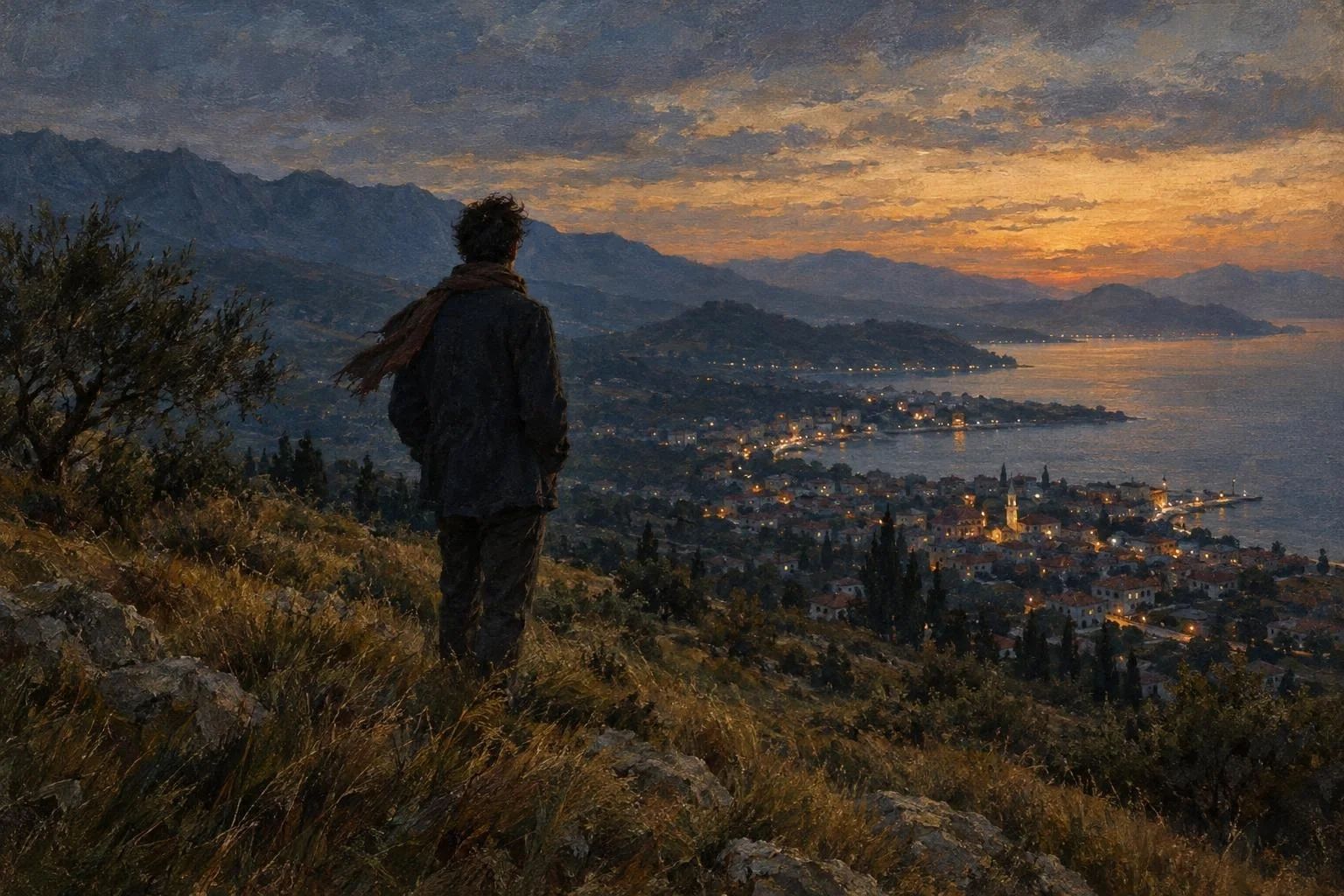
There is a rare, yet heavy, privilege in the life of a man who has spent half his life in one system and the other half in a completely opposite one. I belong to that generation that lived for thirty years under Marxist philosophy and for another thirty years under the philosophy of the Western world. I read Marx and Engels with the same seriousness with which I later read John Locke, Friedrich Hayek, and Karl Popper. And after so many decades, I have arrived at a conviction born not of propaganda, but of experience: no ideology alone possesses the truth about man and society.
When a person lives in only one system, he usually becomes a blind defender or a blind opponent. But when he has lived through both, he begins to understand that every philosophy carries within it both its strength and its limitation. Marxism sought social justice and equality, but often sacrificed individual freedom. Capitalism elevated freedom and personal initiative, but in many cases created deep inequalities and distanced the state from its moral obligation to the citizen. History did not show that one system was absolutely pure and the other absolutely wrong; history showed that every idea, when turned into dogma, begins to lose touch with human reality.
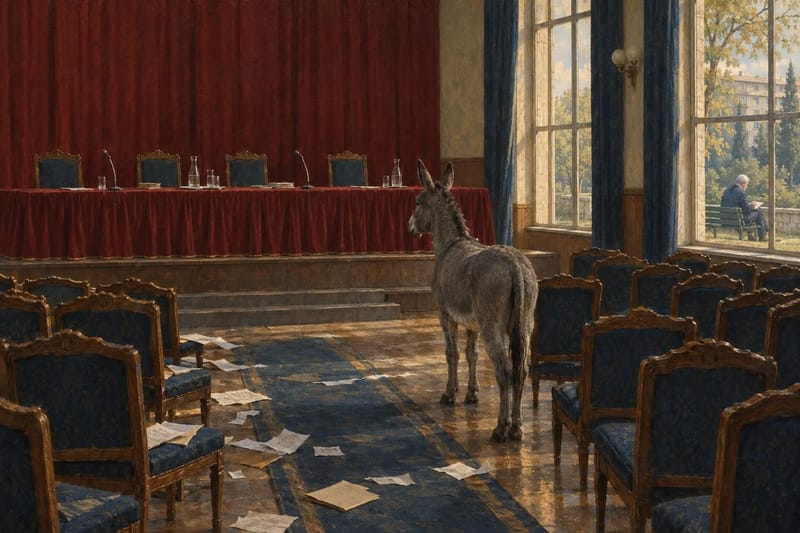
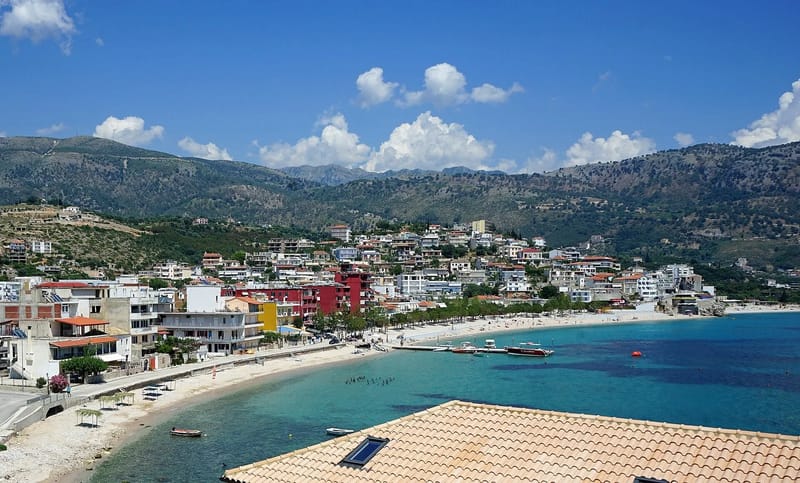
For this very reason, it seems wrong to me today how politics continues to treat ideas as weapons of war rather than tools for development. In Albania, after more than thirty-five years of transition, we no longer have a true philosophical conflict between left and right. We have an exhaustion of political thought. Ideas that once promised development are today often repeated mechanically, with no fresh breath, no reflection, and no sensitivity to the reality of the ordinary person. And when a political class begins to live more inside propaganda than inside the real life of the people, discontent is born.
But discontent should not be misunderstood. Demonstrations do not arise because people thirst for chaos or upheaval. They arise when society feels it is no longer being heard. A protest is a signal that a gap exists between the way the country is governed and the way the people live. And a wise state should not see this as a war against itself, but as a need for correction and renewal.
Our biggest problem today is not that people protest; the problem is that those in power often see protest as a threat, not as a mirror. In truth, any society that silences the critical voice begins to lose its ability to improve. Because development does not come from artificial silence, but from the courage to admit that some ideas are exhausted, that some ways of governing are depleted, and that the times demand new thinking.
This requires political courage and social maturity. It requires understanding that change is not necessarily an overthrow, but a necessity of evolution. Just as in pharmaceutical laboratories, where every substance gains value from its dosage and combination, philosophies and political systems too must take from one another what best serves humanity and the times. A society is not built on ideological fanaticism, but on balance, reflection, and the ability to correct itself.
And perhaps this is the greatest test of democracy: not to defeat the opponent, but to understand that even the voice against you might hold within it a truth the country needs.
***
Materials used...
John Locke — 29 Aug 1632 .... 28 Oct 1704
Considered one of the founders of modern liberalism. He defended the natural rights of man: life, liberty, and private property. His thought strongly influenced Western democracies.
Friedrich Hayek — 8 May 1899.....23 March 1992
A critic of collectivist systems and a defender of the free economy. He believed that economic freedom is the foundation of political freedom and that the state should not control the life of the individual.
Karl Popper — 28 July 1902....17 Sept 1994
Known for the idea of the “open society,” where no ideology should be turned into absolute dogma.
Karl Marx .- 5 May 1818....14 March 1883
Represented the idea that human history is driven by class struggle and that society must be built on economic and social equality. He believed that capital creates inequality and that the common man, the worker, often loses his dignity in the face of the power of money and private property. For Marx, social justice was the foundation of a more humane world.
Friedrich Engels - 28 November 1820....5 August 1895
Represented the practical organization and social analysis of these ideas. He saw society as a structure where the economy determines the way of life, politics, and culture. Engels sought to show that poverty, inequality, and exploitation were not accidents, but consequences of the way the economic system and power were built.
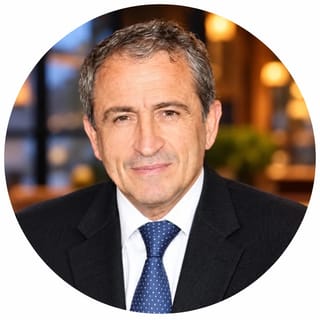
BY PILO ZYBA