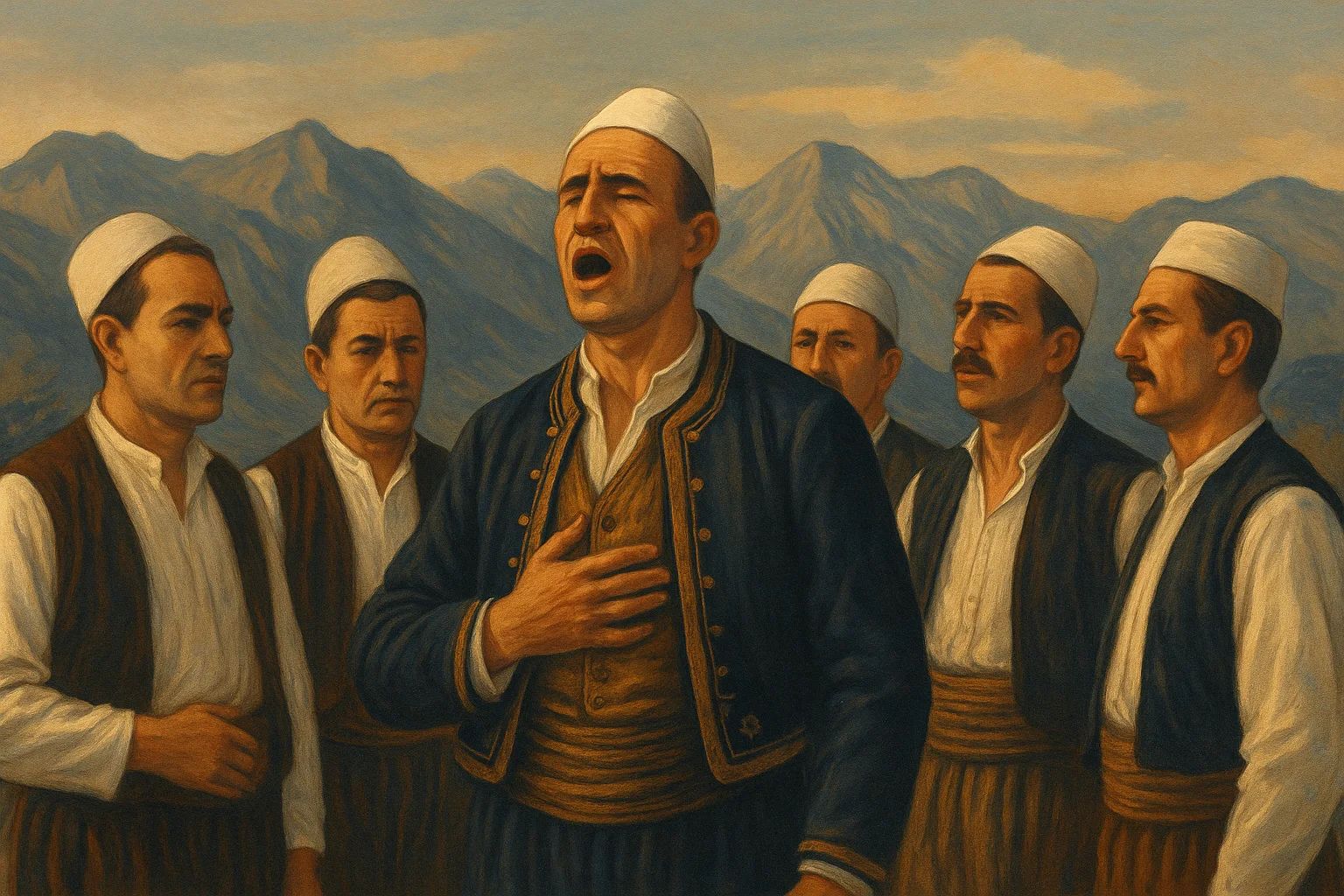
In the Albanian south, the iso is not simply music—it is memory sung together.
On southern evenings, when the village slowly falls silent and white clouds lean over the mountain ridges, the first notes of an ancient iso feel like the last breath of a time that asks for no audience. One man begins. Then another. Voice wraps around voice. And suddenly a world opens in which no one sings to hear himself, but to remember together.
In Labëri, in Dropull, in Zagori, or in the villages of Vlorë and Gjirokastër, iso-polyphony (iso-polifonia) is not an artistic product. It is the way a community tells its own story without any need for writing, instrument or stage. It is not simply song. It is a collective breathing, a way of keeping the balance between the individual and the whole.
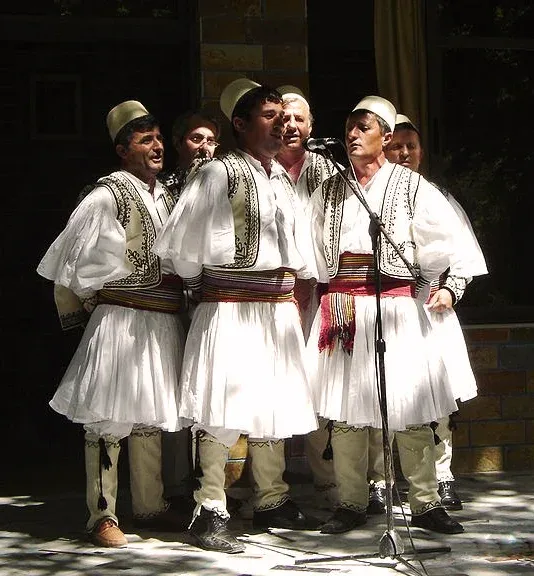
There is no score for the iso. No official register, either. It was never taught in a conservatory, but on the doorstep, in the village lane, in the café where men sat not to make noise but to keep an invisible order. One would begin. Another would answer. A third would adorn it with a high voice. And always, always, someone held the iso – that low, steady tone that binds everything together like a foundation stone.
The four voices – the taker, the receiver, the thrower and the drone (marrësi, pritësi, hedhësi and isoja) – are not musical roles. They are metaphors for the way our society once understood communication. No one dominates. No one falls silent. Each builds upon the other.
This video from the 2015 festival clearly shows the polyphonic texture and the collective emotion.
In 2005, UNESCO recognized Albanian iso-polyphony as an intangible treasure of humanity. A formal act for something that had never been formal. The recognition was deserved, but it was also a quiet omen: that perhaps this heritage was entering its final phase.
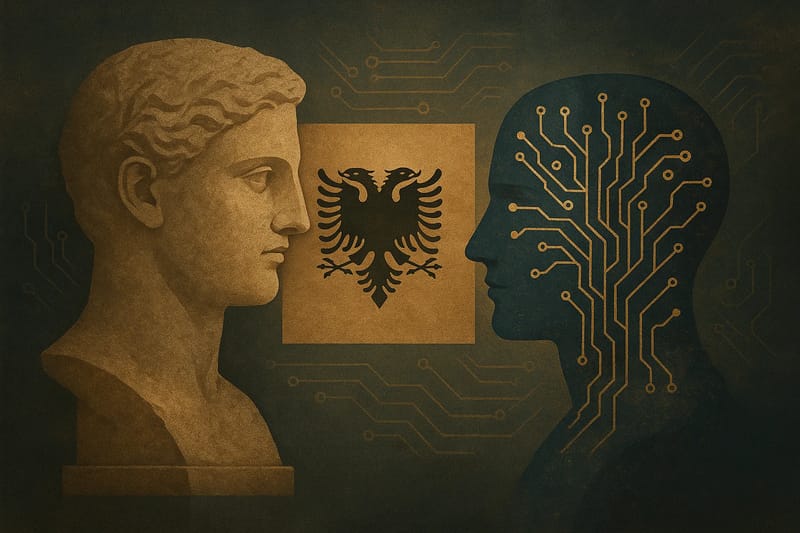
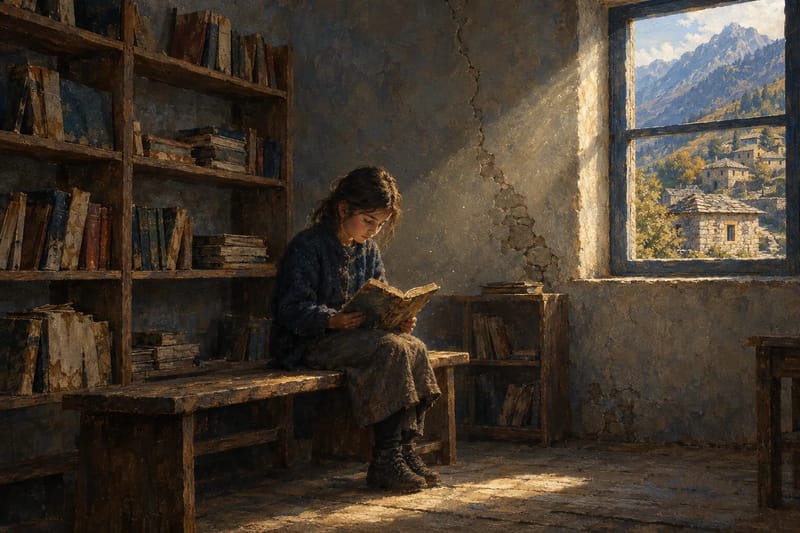
For the life that gave rise to this music is no longer the life of yesterday. The villages emptied. The rites were broken off. Gatherings gave way to networks. And the young who once learned the iso as a way of belonging to the village now learn algorithms to escape it.
There are efforts at preservation. Archives, festivals, new groups that bring the iso into urban concert halls. There is serious scholarship, there are digital recording projects and devoted workers. There is even the rare case of a young city dweller who goes back to the village to learn what no university teaches.
But the question remains: can a tradition built on the rhythm of communal life survive in an age when community itself has come apart?
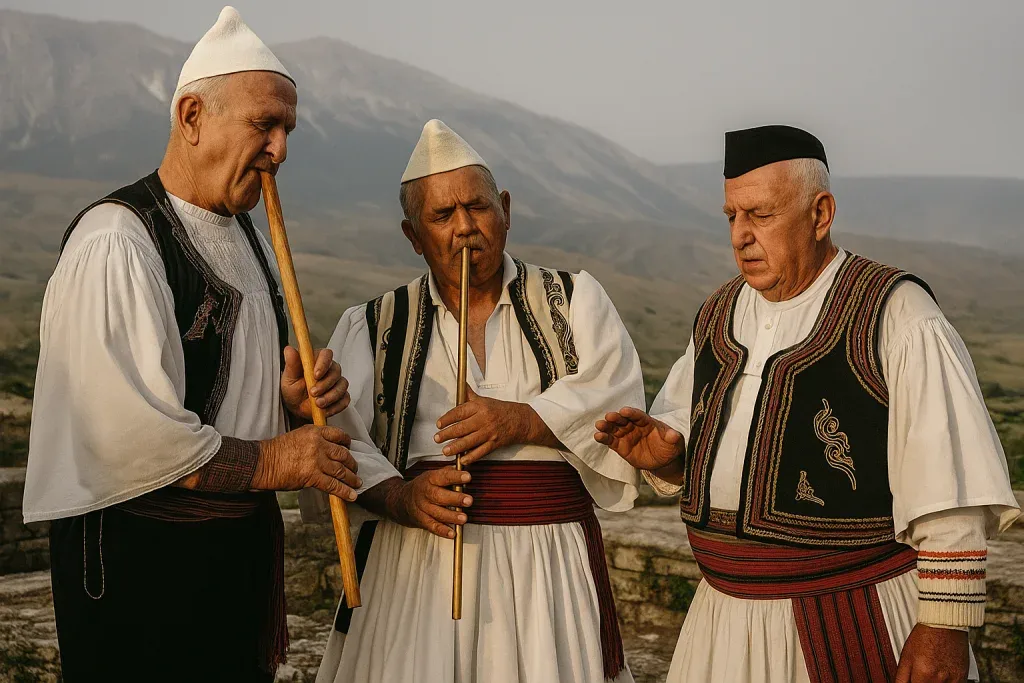
The answer may lie not in nostalgia but in creativity. Iso-polyphony need not be preserved as though in formaldehyde. It can breathe in new forms, so long as it does not lose its essence: the shared breath, the voice that does not need to stand out in order to be powerful.
Some artists are experimenting. Others are replanting it in new cultural ground – not to commercialize it, but to keep it alive. And perhaps, in this new dialogue between generations, a tradition as old as memory itself may find new ways to move a world that sometimes speaks a great deal but listens little.
Iso-polyphony is not merely one of the rarest forms of polyphony in Europe. It is proof that even peoples who wrote no books about themselves knew how to sing so as not to forget. At a time when culture is so often measured in clicks, the voices of the south remind us that speaking is not enough to exist. We must listen. We must sound together.
In the end, the iso is not only music. It is a way of being Albanian.