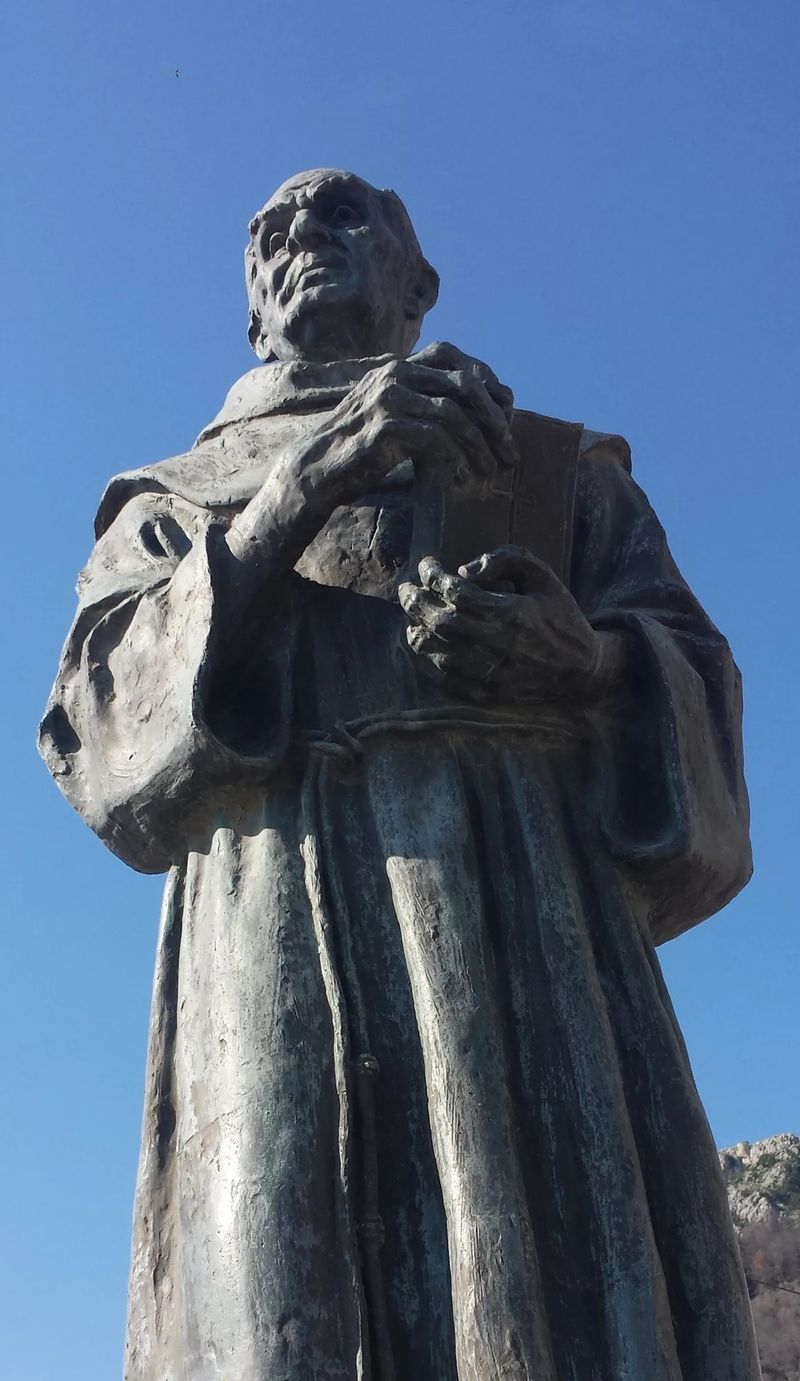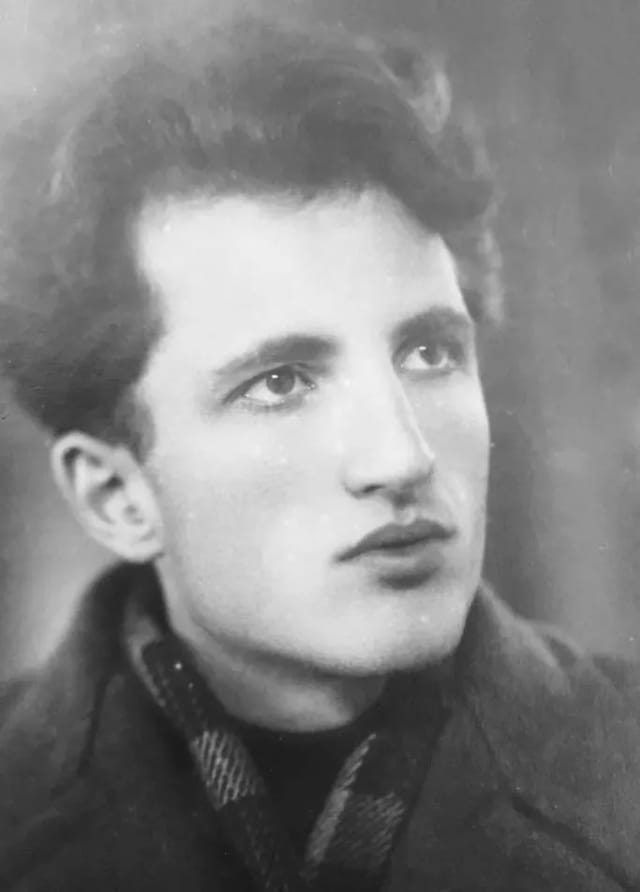
Few Albanian writers have been read as widely and judged as differently as Dritëro Agolli; 95 years after his birth, both remain true.
Agolli was born on 13 October 1931 in Menkulas, in Devoll, into a Bektashi family, and died on 3 February 2017. He finished secondary school in Gjirokastër in 1952, studied at the Faculty of Arts of Leningrad University and, after returning home, worked for fifteen years as a journalist at “Zëri i Popullit”. From 1973 to 1992 he led the League of Writers and Artists of Albania; later he was also elected to parliament. He began as a poet and moved on to the novel, the short story, the essay and drama.
This year's anniversary was not marked with grand state ceremonies, but in places where his poetry still has real readers. In June, the Albanian embassy in Bern organised an evening at the Kornhausbibliothek devoted to the 95th anniversary, with some one hundred people attending: pupils of Albanian-language schools in Switzerland, teachers and friends of Albanian culture. Children recited his verse, and rare film footage and the poet's own voice were heard. The embassy presented the evening as part of a year dedicated to Agolli and Kadare, both born in the 1930s.
The poetry of the village and the ordinary man
In his address in Bern, Ambassador Ermal Dredha praised Agolli as the writer who raised the experience of the ordinary person into art. This is perhaps the most accurate formula for explaining why he survived as a widely read author even after the fall of the system that had given him power. His poetry speaks of the mother, the land, the village of Devoll, friendship and death in a language that needs no intermediary. The ordinary reader recognises himself in it without needing a critic.
Evidence of the close bond between the man and the verse is a manuscript that his daughter, Elona Agolli, donated to the Academy of Sciences in 2021, during a conference marking the 110th anniversary of Migjeni and the 90th anniversary of Dritëro. The notebook, titled “Fletorka e Mesantës”, contains handwritten poems. Handing it over, she spoke of the blue Pelikan ink, of fingers stained by tobacco and of her father's sleepless hours. A literary archive often begins like this: with a notebook that a family decides to share with the public.
Comrade Zylo, without his context
The Agolli book the young generation reads most often is probably “Shkëlqimi dhe rënia e shokut Zylo” (The Splendour and Fall of Comrade Zylo). It first appeared in 1972 in the satirical magazine “Hosteni” and a year later as a separate book. Zylo is the director of a small cultural department, well meaning and of little ability, vain and zealous to the point of absurdity, observed with irony by his subordinate and friend Demka. Critics have compared him to Gogol's Government Inspector and to characters from Kafka or Kundera.
For readers in the 1970s, Zylo was a familiar apparatchik, with a name and surname in every office. For today's readers, who never knew socialism, he becomes something else: the timeless figure of the bureaucrat who confuses activity with work, speeches with thought and ceremony with culture. It is precisely this detachment from context that keeps the book fresh. One does not need to know what a party plenum was to recognise Zylo in today's meetings, project launches or the empty language of press releases.
A legacy that requires a full reading
It would be dishonest to remember Agolli only as a sensitive poet and a sharp satirist. As head of the Writers' League for almost two decades, he was part of the apparatus that oversaw the enforcement of the literary norms of socialist realism, in years when other writers were punished for their work. His first two novels, “Komisari Memo” (1970) and “Njeriu me top” (1975), clearly belong to that heroic canon.
A full reading of Agolli does not lower his worth; it makes him more understandable. He was at once inside the system and one of the voices that, through satire and lyricism, showed its limits. On the 95th anniversary of his birth, the best tribute is neither unconditional praise nor embarrassed silence, but careful publication of the work, study of the manuscripts and a reading by a generation able to judge him more calmly than its predecessors.
Sources
- Dritëro Agolli, Wikipedia
- Një mbrëmje kushtuar Dritëro Agollit në Bernë, Ambasada e Shqipërisë në Zvicër (2026-06-17)
- Një dorëshkrim i çmuar i Dritëro Agollit dhurohet Akademisë së Shkencave nga e bija, Shqiptarja.com